
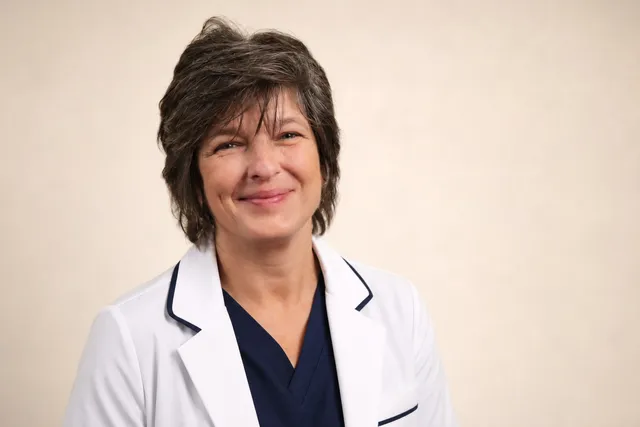
Milica Kovačević Filipović
DVM, PhD, Full Professor at the Faculty of Veterinary Medicine, University of Belgrade
A collaborator with the clinic since its founding; her field of expertise is hematology and clinical pathology in companion animals.
Services
We run blood and urine tests in our clinic — hematology, biochemistry, urinalysis and cytology are all on site, with no referral to another vet.
For owners, the lab matters most as part of a fast answer: the sample is taken during your visit, processed right away on site, and typically discussed with you during the same visit alongside the clinical exam findings — no waiting on results from an outside lab.
Lab work is rarely requested on its own; it's most often part of aninternal medicine exam, monitoring of chronic treatment, or preparation before a procedure under anesthesia.
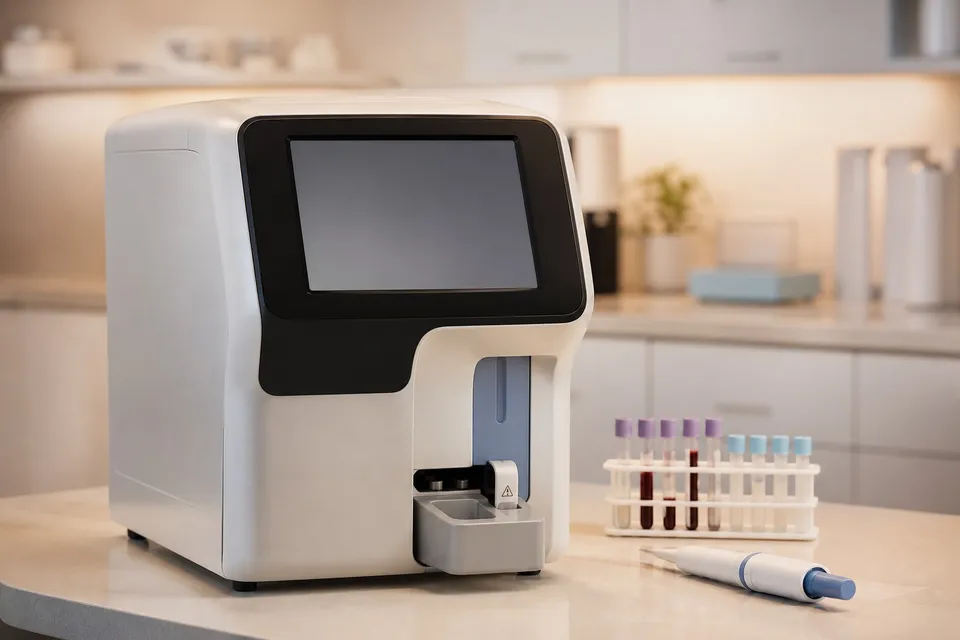
Hematology (complete blood count) is done with an automated hematology analyzer, with results in a few minutes — showing red and white blood cell counts, hemoglobin and hematocrit, basic indicators of overall condition and any infection or anemia.
Biochemistry panels are run on blood serum, plasma, urine or cerebrospinal fluid — giving insight into organ function, such as the liver and kidneys, that a clinical exam alone can't show.
Urinalysis is done with several methods: test strips, refractometer, an automated biochemistry analyzer and microscopic sediment examination — useful when a urinary tract infection or a change in kidney function is suspected.
Cytology covers tumor aspirates, ear swabs, blood smears and skin smears — sometimes enough on its own for a final diagnosis (e.g. certain tumors or a fungal overgrowth in the ear).
DVM, PhD, Full Professor at the Faculty of Veterinary Medicine, University of Belgrade
A collaborator with the clinic since its founding; her field of expertise is hematology and clinical pathology in companion animals.
Guide for owners
Blood or urine tests are most often suggested by the vet as part of an exam, rather than as a standalone visit. The most common reasons:
If a procedure is done under anesthesia, fasting before a biochemistry panel may be required — we'll let you know when you book.
Testing process
Prep note
If fasting is needed before a biochemistry panel or anesthesia, you'll get instructions when you book.
Sample collection
A sample (blood, urine or a swab) is taken during the exam.
In-house analysis
Processing is done on site — with the hematology analyzer, biochemistry analyzer or microscope, depending on the test.
Result during the same visit
You typically get the result during the same visit, with no waiting on a finding from an outside lab.
Interpreting the results
We go over the findings with you, in the context of the clinical exam, and agree on next steps.
Laboratory
Laboratory at the clinic
A complete blood count with an automated hematology analyzer, with results in a few minutes.
Biochemistry panels are run on blood serum, plasma, urine or cerebrospinal fluid.
Done with several methods: test strips, refractometer, an automated biochemistry analyzer and microscopic sediment examination.
Mon–Fri 10am–2pm & 4pm–7pm · Sat 10am–1pm · Emergencies by phone, available 24/7